



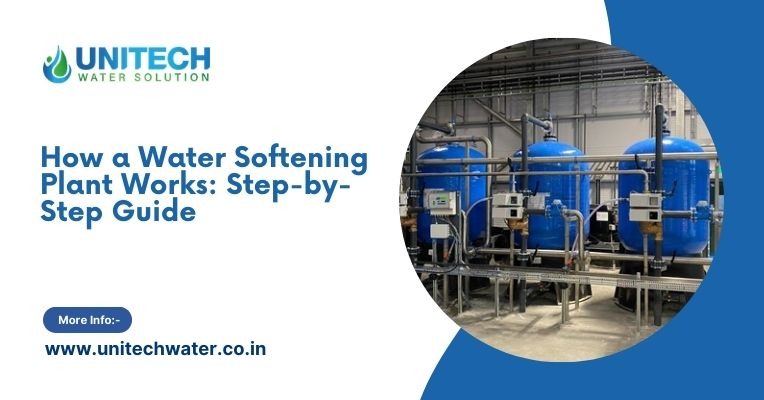
Welcome to our guide on how a water softener plant works. If you live in areas with hard water, you know the value of clean, soft water.
This article explains the basics in simple terms. We cover the water treatment system plant process, step-by-step details, and more.
Hard water contains minerals like calcium and magnesium. These can build up in pipes and appliances. A water softener helps by removing those minerals. It turns hard water into soft water for daily use.
Many homes and businesses use a water treatment system to get better water quality. This system improves water flow and extends the life of equipment. Let's dive into the details.
What Is a Water Softener?
A water softener is a device that treats hard water. It uses a special method to swap hard minerals for softer ones. This makes water gentler on skin, clothes, and machines.
In simple words, it filters out the stuff that causes issues. People install these in homes, offices, and factories. The result is smoother water for everything from showers to industrial processes.
Unitech Water Solution offers reliable water treatment systems. Our designs fit various needs, from small homes to large plants.
Understanding the Water Softening Process
The water treatment system starts when hard water enters the system. It passes through a tank filled with resin beads. These beads attract the hard minerals.
Sodium ions from the resin replace the calcium and magnesium. This exchange happens quickly. The treated water then flows out, ready for use.
This process repeats for every drop of water. It keeps your supply consistent and soft.
How Water Softener Works Step by Step
Let's break down how water softener works step by step. First, water comes in from your source. It could be a well or city supply.
Step 1: The water enters the mineral tank. Here, resin beads do their job. They grab onto hard minerals.
Step 2: Ion exchange occurs. Hard ions stick to the resin. Soft ions release into the water.
Step 3: Soft water exits the tank. It heads to your taps and appliances.
Step 4: Over time, the resin needs a recharge. This is called regeneration.
In regeneration, a brine solution flushes the tank. It removes trapped minerals and refreshes the resin.
Step 5: The system rinses away the brine. Then, it's back to softening water.
This cycle ensures ongoing performance. It's automatic in most modern units.
The Water Softener Working Principle
The water softener plant working principle relies on ion exchange. Resin beads have a negative charge. They attract positive ions like calcium.
When hard water flows over them, the exchange happens. Sodium, which is softer, takes the place of hard minerals.
This principle is safe and effective. It has been used for years in water treatment.
Understanding this helps you see why water softener plants are so useful. They apply this on a larger scale for businesses.
Types of Water Softener Systems
There are a few types of water softener plant systems. Salt-based ones use sodium for the exchange. They are common and powerful.
Salt-free options use potassium or templates. They suit those who prefer less sodium.
Dual-tank systems offer non-stop softening. One tank works while the other regenerates.
Each type fits different needs. Choose based on your water usage and space.
Unitech Water Solution provides all these options. Our experts guide you to the best fit.
Benefits of Using a Water Softener Plant
A water softener plant brings many advantages. Soft water lathers better with soap. This means you use less detergent.
It protects pipes from buildup. Your plumbing lasts longer.
Appliances like heaters run smoother. They heat water faster and use less energy.
Skin and hair feel better after showers. Clothes stay brighter after washing.
In industries, it boosts efficiency. Machines perform at their best.
Overall, it enhances daily life and operations.
Installation of a Water Softener
Installing a water softener system is straightforward. First, find the right spot near your water entry point.
Connect it to the main line. Ensure proper drainage for regeneration.
Test the system after setup. Adjust settings for your water hardness.
Professional help makes it easy. It ensures everything works right from the start.
Maintenance Tips for Your Water Softener System
Keep your water softener system in top shape with regular care. Check salt levels often. Refill as needed.
Clean the brine tank yearly. This keeps things fresh.
Test water hardness monthly. Adjust if necessary.
Replace resin every few years. It maintains efficiency.
Simple steps like these extend the system's life.
Common Applications of Water Softeners
Water softeners serve homes for better daily water. They make chores easier.
In hotels, they ensure guest comfort. Soft water improves service quality.
Factories use them for processes. It prevents equipment issues.
Hospitals need them for clean operations. Soft water supports health standards.
Farms benefit too. It aids irrigation and livestock.
Versatile uses make them essential.
Why Choose a Water Softener Plant from Unitech Water Solution
At Unitech Water Solution, we specialize in quality water softener plants. Our systems use top materials for durability.
We customize designs to match your requirements. Whether small or large scale, we deliver.
Our team provides full support from start to finish. Enjoy peace of mind with our service.
Environmental Impact of Water Softening
Water softening helps conserve resources. It reduces waste from damaged pipes.
Efficient systems use less water during regeneration. Modern designs focus on sustainability.
Soft water means fewer chemicals in cleaning. This benefits the environment.
It's a positive choice for eco-conscious users.
Innovations in Water Softener Technology
New water softening process systems feature smart controls. They adjust based on water use.
Energy-efficient models save power. They regenerate only when needed.
Digital monitors track performance. You get alerts on your phone.
These advances make softening easier.
Case Studies: Success with Water Softeners
Many clients see improvements with our water softening process plants. A hotel reduced maintenance costs.
A factory boosted production efficiency. Soft water kept machines running smoothly.
Homes report better water taste. Families enjoy the difference.
Real stories show the value.
How to Test Your Water Hardness
Test kits are easy to use. Dip a strip in water and check colors.
Professional tests give precise results. Know your levels to choose the right system.
Regular testing keeps you informed.
Comparing Water Softener vs. Other Treatments
A water softener focuses on hardness. Filters remove particles.
RO systems purify deeply. Softeners complement them well.
Choose based on your specific needs.
Future Trends in Water Softening
The future brings more efficient water softening processes. AI integration optimizes operations.
Sustainable materials reduce impact. Compact designs fit small spaces.
Stay ahead with these trends.
Conclusion: Embrace Soft Water Today
Understanding how a water softening plant works opens doors to better water. From the water softening process to step-by-step details, it's clear and beneficial.
Invest in a water softener system for lasting advantages. Contact Unitech Water Solution for expert advice.
Soft water enhances life. Make the switch now.
Frequently Asked Questions
A water softener plant is a system that removes hardness-causing minerals like calcium and magnesium from water using ion exchange. It's ideal for homes and industries in hard-water areas like Gujarat, preventing scale buildup and improving water quality.
How water softener works step by step: Water enters the resin tank; hard minerals bind to resin beads via ion exchange; sodium replaces them; soft water exits. Regeneration flushes minerals with brine, rinsing the system for reuse.
The water softening process involves ion exchange where resin beads attract and remove calcium/magnesium ions from hard water, replacing them with sodium. This creates soft water, followed by periodic regeneration to recharge the resin.
The water softener working principle relies on ion exchange: Negatively charged resin beads capture positive hard mineral ions (calcium, magnesium), releasing sodium ions instead. This softens water efficiently for daily use.
A water softener system is an integrated setup including a resin tank, brine tank, and control valve that treats hard water through ion exchange, delivering soft water for homes, boilers, or industrial applications.