


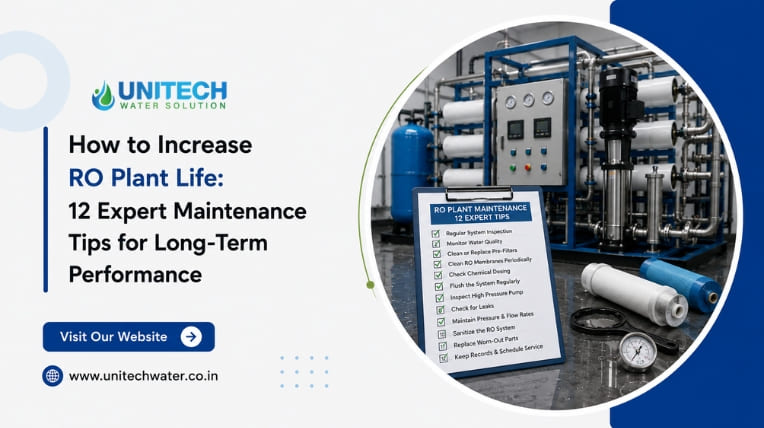
Industrial RO Plants are the backbone of modern water treatment systems, delivering high-quality purified water for industries such as pharmaceuticals, food processing, beverage manufacturing, healthcare, hospitality, textiles, and commercial facilities. Since an Industrial RO Plant is a significant investment, maximizing its lifespan is essential for reducing operational costs, ensuring uninterrupted production, and maintaining consistent water quality.
However, many businesses experience premature failures due to poor maintenance, inadequate pretreatment, improper operation, or delayed servicing. These issues not only increase repair costs but also reduce production efficiency and shorten the life of critical components such as RO membranes, pumps, filters, and pressure vessels.
The good news is that with the right maintenance strategy and preventive care, an RO Plant can deliver reliable performance for many years. Routine inspections, timely replacement of consumables, proper feed water management, and regular monitoring all play a crucial role in extending the life of your RO Water Plant.
In this guide, we'll explore the factors that affect RO plant lifespan and share 12 expert maintenance tips to help you improve efficiency, minimize downtime, and get the maximum return on your investment in an Industrial Water Treatment system.
Why Does the Life of an Industrial RO Plant Matter?
An Industrial RO Plant is designed to remove dissolved salts, contaminants, bacteria, and impurities from water using advanced reverse osmosis technology. Whether you're producing packaged drinking water or supplying purified water for manufacturing, the performance of your Water Treatment Plant directly impacts productivity, operational costs, and customer satisfaction.
A well-maintained system consistently produces high-quality water while consuming less energy and requiring fewer repairs. Conversely, neglected maintenance can result in membrane fouling, reduced water recovery, higher electricity consumption, and costly equipment failures.
Extending the lifespan of your Water Treatment Systems isn't just about saving money—it's about ensuring operational reliability, regulatory compliance, and long-term business success.
Impact of Proper Maintenance on Plant Performance
Regular maintenance offers several measurable benefits:
- Improves water recovery efficiency
- Extends the life of RO membranes
- Reduces unexpected plant shutdowns
- Maintains consistent water quality
- Lowers maintenance and repair costs
- Optimizes energy consumption
- Protects expensive equipment from premature wear
- Enhances overall system reliability
For industries relying on continuous production, even a few hours of downtime can lead to production losses and missed delivery schedules. Preventive maintenance significantly reduces these risks.
Average Lifespan of an Industrial RO Plant
The lifespan of an Industrial RO Plant depends on multiple factors, including design quality, operating conditions, feed water characteristics, and maintenance practices.
Under proper operating conditions:
|
Component |
Expected Lifespan |
|
RO Membranes |
3–5 Years |
|
Cartridge Filters |
3–6 Months |
|
High-Pressure Pump |
8–15 Years |
|
Pressure Vessels |
15–20 Years |
|
Control Panel |
10–15 Years |
|
Complete Industrial RO Plant |
15–20+ Years |
These figures can vary depending on water quality, daily operating hours, and maintenance schedules. Plants that receive regular servicing often operate efficiently for well beyond their expected service life.
Common Reasons RO Plants Fail Prematurely
Many businesses unknowingly reduce the lifespan of their RO Water Plant through avoidable mistakes.
Some of the most common causes include:
- Poor feed water quality
- Inadequate pretreatment
- Membrane scaling
- Biofouling
- Delayed membrane cleaning
- Incorrect operating pressure
- Poor chemical dosing
- Low-quality replacement parts
- Lack of preventive maintenance
- Operator errors
Fortunately, each of these issues can be prevented through proper planning and routine inspections.
Factors That Affect the Life of an RO Plant
Understanding the factors that influence the lifespan of an Industrial RO Plant helps businesses take proactive steps before costly problems occur.
Feed Water Quality
Feed water quality is one of the most important factors affecting membrane performance.
Water containing excessive suspended solids, hardness, iron, manganese, chlorine, silica, or microorganisms places additional stress on the RO system.
Poor feed water often causes:
- Membrane fouling
- Scaling
- Pressure loss
- Reduced permeate flow
- Increased cleaning frequency
Before water reaches the reverse osmosis membranes, it should pass through appropriate Water Purification Systems that remove contaminants capable of damaging the membranes.
Monitoring parameters such as TDS, turbidity, pH, hardness, and conductivity allows operators to identify potential problems before they affect plant performance.
Pretreatment Efficiency
Pretreatment acts as the first line of defense for an Industrial RO Plant.
An effective pretreatment system may include:
- Sand Filters
- Activated Carbon Filters
- Water Softening Plant
- Filtration System
- Ultra Filtration Plant
- Cartridge Filters
These systems remove suspended particles, chlorine, hardness, and organic matter before water reaches the membranes.
Without proper pretreatment, membranes foul much faster, resulting in:
- Reduced production capacity
- Higher operating pressure
- Increased cleaning frequency
- Shortened membrane life
Investing in a reliable pretreatment system significantly improves the efficiency and lifespan of your Water Treatment Systems.
Membrane Fouling and Scaling
RO membranes are the heart of every RO Plant, making their protection essential.
Over time, contaminants accumulate on membrane surfaces, restricting water flow.
Common types of fouling include:
- Organic fouling
- Biological fouling
- Colloidal fouling
- Mineral scaling
Signs of membrane fouling include:
- Increased differential pressure
- Reduced water production
- Higher energy consumption
- Increased TDS in product water
Routine monitoring and timely cleaning prevent irreversible membrane damage.
Pressure Variations
Operating pressure directly affects reverse osmosis performance.
Excessive pressure may:
- Damage membranes
- Stress pumps
- Increase energy consumption
- Reduce equipment life
Low pressure can:
- Lower water recovery
- Reduce production capacity
- Affect water quality
Installing properly calibrated pressure gauges and regularly monitoring operating conditions helps maintain optimal system performance.
Chemical Dosing
Chemical treatment is essential for protecting an Industrial Water Treatment system.
Proper dosing of chemicals such as antiscalants prevents mineral deposits from forming on membrane surfaces.
Incorrect dosing may lead to:
- Membrane scaling
- Reduced permeate flow
- Increased cleaning frequency
- Higher operating costs
Regular inspection of dosing pumps and chemical storage systems ensures consistent protection for your RO Plant.
System Design and Equipment Quality
Even the best maintenance practices cannot compensate for poor system design.
A well-engineered Water Treatment Plant should include:
- Proper pretreatment
- High-quality membranes
- Efficient pumps
- Reliable control systems
- Correct pipe sizing
- Accurate instrumentation
Choosing a trusted manufacturer also ensures access to quality components, technical support, and genuine spare parts throughout the system's lifecycle.
12 Expert Tips to Increase RO Plant Life
Implementing preventive maintenance is the most effective way to maximize the lifespan of your Industrial RO Plant. The following expert recommendations are based on industry best practices and help reduce downtime, improve water quality, and protect critical system components.
1. Perform Regular Preventive Maintenance
Preventive maintenance should always take priority over emergency repairs.
Rather than waiting for equipment to fail, establish a maintenance schedule that includes routine inspections, cleaning, lubrication, calibration, and replacement of consumable parts.
A preventive maintenance program helps:
- Detect problems early
- Prevent unexpected breakdowns
- Improve plant reliability
- Extend equipment life
- Reduce long-term maintenance costs
Maintain detailed maintenance logs to track inspections, repairs, membrane cleanings, and component replacements. Historical data makes it easier to identify recurring issues and plan future servicing.
2. Monitor Feed Water Quality Frequently
Since feed water quality directly influences membrane performance, regular water analysis is essential.
Important parameters to monitor include:
- Total Dissolved Solids (TDS)
- pH
- Turbidity
- Hardness
- Chlorine levels
- Iron content
- Conductivity
Any sudden changes in feed water quality should be addressed immediately before they affect the RO Water Plant.
Routine testing also helps optimize pretreatment and chemical dosing, reducing the risk of membrane fouling and scaling.
3. Replace Cartridge Filters on Time
Cartridge filters protect RO membranes by removing fine suspended particles that escape earlier filtration stages.
As filters become clogged, they restrict water flow and increase pressure across the system.
Ignoring cartridge replacement can result in:
- Reduced water production
- Higher operating pressure
- Increased membrane fouling
- Premature membrane failure
Follow the manufacturer's replacement schedule and replace filters sooner if differential pressure rises significantly.
4. Use High-Quality Antiscalant Chemicals
Scaling is one of the leading causes of membrane damage in Industrial RO Plants.
High-quality antiscalant chemicals prevent calcium, magnesium, silica, and other dissolved minerals from depositing on membrane surfaces.
Benefits of proper antiscalant dosing include:
- Improved membrane performance
- Reduced cleaning frequency
- Higher recovery rates
- Lower operating costs
- Extended membrane life
Always use recommended dosing levels and periodically inspect dosing pumps to ensure consistent chemical injection.
5. Clean RO Membranes Before Fouling Becomes Severe
RO membranes are the most valuable component of an Industrial RO Plant, and their performance directly affects water quality, recovery rate, and operating costs. Over time, minerals, suspended solids, bacteria, and organic matter accumulate on the membrane surface, reducing its efficiency.
Many plant owners wait until water production drops significantly before cleaning the membranes. By then, fouling may have become irreversible, shortening membrane life.
To maximize membrane performance:
- Monitor pressure differential across the membranes.
- Track permeate flow and product water quality.
- Perform membrane cleaning whenever performance begins to decline.
- Follow the membrane manufacturer's recommended cleaning procedures.
- Use only approved cleaning chemicals.
Regular membrane cleaning can significantly increase the lifespan of your RO Water Plant while reducing energy consumption.
6. Maintain Proper Operating Pressure
Every Industrial RO Plant is designed to operate within a specific pressure range. Running the system above or below the recommended pressure negatively impacts both equipment life and water production.
Excessive pressure may:
- Damage RO membranes
- Increase pump wear
- Raise electricity consumption
- Cause leakage in piping and fittings
Low operating pressure can:
- Reduce water recovery
- Produce inconsistent water quality
- Lower production capacity
Install calibrated pressure gauges and monitor readings daily. Any abnormal pressure fluctuation should be investigated immediately to prevent long-term damage.
7. Prevent Scaling and Biofouling
Scaling and biofouling are among the most common causes of declining performance in Water Treatment Systems.
Common Scaling Deposits
- Calcium carbonate
- Calcium sulfate
- Silica
- Magnesium salts
Common Biological Fouling
- Bacteria
- Algae
- Fungi
- Biofilm formation
Preventive measures include:
- Proper pretreatment
- Correct antiscalant dosing
- Regular sanitization
- Periodic membrane cleaning
- Maintaining feed water quality
Preventing fouling is considerably more cost-effective than replacing damaged membranes.
8. Inspect Pumps, Valves, and Piping Regularly
The performance of an Industrial Water Treatment system depends not only on the membranes but also on the health of mechanical components.
Routine inspections should include:
- High-pressure pumps
- Booster pumps
- Control valves
- Solenoid valves
- Pipes
- Pressure vessels
- Pipe joints
- Seals and gaskets
Look for:
- Water leakage
- Unusual vibration
- Abnormal noise
- Pressure loss
- Corrosion
- Loose fittings
Addressing minor mechanical issues early helps avoid expensive repairs and unexpected shutdowns.
9. Calibrate Flow Meters and Pressure Gauges
Instrumentation provides valuable insights into plant performance. Faulty readings can lead operators to make incorrect adjustments, affecting both efficiency and equipment life.
Regularly calibrate:
- Flow meters
- Pressure gauges
- Conductivity meters
- pH sensors
- TDS meters
- Temperature sensors
Accurate instruments help maintain optimal operating conditions and improve decision-making during routine maintenance.
10. Keep the Pretreatment System in Excellent Condition
The pretreatment section is responsible for protecting the RO membranes from contaminants.
Neglecting pretreatment equipment places excessive stress on the membranes and significantly reduces their lifespan.
Inspect and maintain:
- Water Softening Plant
- Filtration System
- Ultra Filtration Plant
- Activated Carbon Filters
- Sand Filters
- Cartridge Filters
Proper pretreatment provides several advantages:
- Reduces membrane fouling
- Prevents scaling
- Improves water quality
- Increases recovery rate
- Extends membrane life
- Reduces cleaning frequency
A healthy pretreatment system is one of the most effective ways to extend the life of an Industrial RO Plant.
11. Train Operators on Standard Operating Procedures (SOPs)
Even a well-designed Water Treatment Plant can experience premature failures if operated incorrectly.
Operators should be trained on:
- Proper startup procedures
- Safe shutdown procedures
- Chemical handling
- Pressure monitoring
- Membrane cleaning
- Alarm management
- Daily inspections
- Emergency response procedures
Well-trained personnel are more likely to identify early warning signs and take corrective action before problems escalate.
Regular refresher training also helps maintain consistent operational standards across shifts.
12. Schedule Annual Professional Servicing
Routine in-house maintenance is essential, but periodic servicing by experienced technicians provides an additional level of protection.
Professional inspections typically include:
- Complete system performance evaluation
- Membrane condition assessment
- Pump inspection
- Electrical panel testing
- Instrument calibration
- Chemical dosing verification
- Pipe and valve inspection
- Performance optimization
Annual servicing helps identify hidden issues before they become major failures and ensures your Industrial RO Plant continues operating at peak efficiency.
Essential Components That Need Regular Inspection
Every RO Plant consists of several critical components that work together to produce purified water. Regular inspection of these components helps maintain system efficiency and prevents costly downtime.
RO Membranes
The membranes perform the core filtration process. Monitor them for fouling, scaling, pressure drop, and declining permeate quality.
Cartridge Filters
These filters remove fine suspended particles before water reaches the membranes. Replace them as recommended or when differential pressure increases.
High-Pressure Pump
Check for unusual noise, vibration, overheating, oil leakage, and pressure fluctuations. Proper lubrication and timely servicing extend pump life.
Pressure Vessels
Inspect vessels for corrosion, cracks, loose clamps, and leakage to ensure safe operation under high pressure.
Valves and Piping
Examine all valves, joints, and pipelines for leaks, corrosion, blockages, and proper operation.
Flow Meters and Pressure Gauges
Verify that all measuring instruments provide accurate readings. Replace or recalibrate faulty devices promptly.
Chemical Dosing System
Inspect dosing pumps, storage tanks, injection lines, and control settings to maintain consistent chemical treatment.
Electrical Control Panel
Check wiring, PLC systems, relays, indicators, and safety devices to ensure reliable plant operation.
Common RO Plant Problems That Reduce System Life
The table below summarizes frequent issues affecting Water Treatment Systems and practical solutions.
|
Problem |
Common Cause |
Recommended Solution |
|
Membrane Fouling |
Inadequate pretreatment |
Clean membranes and improve pretreatment |
|
Mineral Scaling |
Hard water and poor antiscalant dosing |
Optimize chemical dosing and soften feed water |
|
Reduced Water Production |
Clogged cartridge filters or membrane fouling |
Replace filters and clean membranes |
|
High Product Water TDS |
Damaged or aged membranes |
Inspect and replace membranes if required |
|
Increased Pressure Drop |
Dirty filters or scaling |
Inspect filters and clean the system |
|
Pump Failure |
Poor maintenance or dry running |
Service pumps and monitor operating conditions |
|
Frequent Shutdowns |
Electrical or instrumentation issues |
Inspect control panel and sensors |
|
High Energy Consumption |
Fouled membranes or excessive pressure |
Optimize operating pressure and perform cleaning |
Addressing these issues promptly improves system reliability and helps maximize the lifespan of your Industrial Water Treatment system.
Preventive Maintenance Checklist for an Industrial RO Plant
A structured maintenance schedule ensures every component receives timely attention.
|
Frequency |
Maintenance Activity |
|
Daily |
Check operating pressure, flow rate, TDS, conductivity, pH, and inspect for leaks |
|
Weekly |
Inspect pumps, valves, cartridge filters, chemical dosing system, and pretreatment units |
|
Monthly |
Calibrate instruments, inspect piping, verify electrical connections, and clean control panels |
|
Quarterly |
Evaluate membrane performance, inspect pressure vessels, and review operating data |
|
Half-Yearly |
Service high-pressure pumps, replace worn seals and gaskets, and inspect all mechanical components |
|
Annually |
Conduct a comprehensive plant audit, professional servicing, membrane performance assessment, and full system optimization |
Benefits of Following a Preventive Maintenance Schedule
- Extends the life of your Industrial RO Plant
- Maintains consistent water quality
- Reduces unplanned downtime
- Lowers repair and replacement costs
- Improves membrane efficiency
- Optimizes energy consumption
- Enhances overall plant reliability
- Maximizes return on investment
By implementing a disciplined preventive maintenance program, businesses can ensure their RO Water Plant continues to deliver efficient and reliable performance for many years.
Signs Your RO Plant Needs Immediate Maintenance
Even with a preventive maintenance schedule in place, unexpected issues can arise. Identifying the early warning signs allows operators to resolve minor problems before they lead to expensive repairs or complete system failure.
Watch for these common indicators that your Industrial RO Plant requires immediate attention:
Sudden Drop in Water Production
If your RO Plant is producing less water than usual, it may indicate membrane fouling, clogged filters, pump inefficiency, or reduced feed water pressure.
Increase in Product Water TDS
A rise in Total Dissolved Solids (TDS) often suggests that the RO membranes are damaged, fouled, or reaching the end of their service life.
Higher Operating Pressure
An increase in pressure usually indicates clogged cartridge filters, membrane scaling, or blocked pipelines, forcing the system to work harder and consume more energy.
Frequent Plant Shutdowns
Repeated system alarms or unexpected shutdowns may result from electrical faults, pressure imbalances, pump failures, or control panel issues.
Increased Power Consumption
If electricity costs continue rising without an increase in production, your Industrial Water Treatment system may be operating inefficiently due to fouled membranes or aging mechanical components.
Visible Water Leakage
Leaks around pumps, valves, pressure vessels, or piping should never be ignored, as they can reduce system pressure and damage surrounding equipment.
Unusual Noise or Vibration
Grinding sounds, excessive vibration, or unusual pump noise often indicate mechanical wear that requires immediate inspection.
Frequent Membrane Cleaning
If membranes require cleaning more often than normal, it is usually a sign that your pretreatment system is no longer performing efficiently.
Pro Tip: Monitoring plant performance daily and maintaining operational logs helps detect these warning signs before they impact production.
Best Practices to Improve Water Treatment System Efficiency
Improving efficiency isn't just about extending equipment life—it also reduces operating costs and increases productivity. The following best practices help ensure your Water Treatment Systems consistently perform at their highest level.
Maintain Stable Feed Water Quality
Fluctuations in feed water quality place unnecessary stress on membranes and increase chemical consumption. Regularly test:
- TDS
- pH
- Hardness
- Turbidity
- Conductivity
- Chlorine levels
Consistent feed water quality leads to better recovery rates and longer membrane life.
Optimize Recovery Rate
Running an RO Plant at extremely high recovery rates may appear economical, but it often accelerates scaling and membrane fouling.
Instead:
- Follow manufacturer recommendations.
- Balance water recovery with membrane protection.
- Avoid excessive concentrate recirculation.
A properly optimized recovery rate improves both efficiency and equipment longevity.
Use Genuine RO Spares
Low-quality replacement parts may reduce initial expenses but often lead to:
- Frequent failures
- Reduced plant efficiency
- Higher maintenance costs
- Shorter equipment life
Always use genuine:
- RO membranes
- Cartridge filters
- Pumps
- Pressure gauges
- Valves
- Chemical dosing components
Using quality parts ensures consistent performance and minimizes downtime.
Monitor Plant Performance Digitally
Modern Water Treatment Plants increasingly use PLC-based automation and digital monitoring systems to track:
- Water production
- Operating pressure
- Flow rate
- TDS
- Conductivity
- Energy consumption
Real-time monitoring helps operators detect abnormalities early and optimize plant performance.
Replace Consumables Before Failure
Consumables such as filters, seals, O-rings, and dosing chemicals should be replaced according to recommended schedules rather than waiting for failure.
Timely replacement:
- Prevents unexpected breakdowns
- Protects expensive equipment
- Maintains water quality
- Reduces emergency maintenance costs
How Proper Pretreatment Extends RO Membrane Life
One of the most effective ways to increase the lifespan of an Industrial RO Plant is by investing in a high-quality pretreatment system.
Pretreatment removes contaminants that would otherwise damage the RO membranes.
Water Softening Plant
Hard water contains calcium and magnesium salts that cause scale formation.
A Water Softening Plant removes hardness before water enters the RO system, reducing scaling and improving membrane efficiency.
Filtration System
A well-designed Filtration System removes suspended solids, sediments, and particulate matter, preventing physical damage to RO membranes.
Proper filtration:
- Improves membrane performance
- Reduces pressure drop
- Increases water recovery
- Extends membrane lifespan
Ultra Filtration Plant
An Ultra Filtration Plant provides an additional layer of protection by removing microorganisms, colloids, and fine particles before reverse osmosis.
Benefits include:
- Lower membrane fouling
- Better permeate quality
- Reduced cleaning frequency
- Improved system efficiency
Activated Carbon Filtration
Activated carbon filters remove chlorine and organic contaminants that can permanently damage RO membranes.
Proper carbon filtration also improves taste, odor, and overall water quality while protecting downstream components.
Why Choose Unitech Water Solutions for Industrial RO Plants?
Selecting the right manufacturer is just as important as maintaining the equipment. With more than two decades of industry experience, Unitech Water Solutions delivers reliable and customized Industrial RO Plant solutions for businesses across India.
Why Businesses Choose Us
✔ Established in 2004 with extensive industry expertise
✔ ISO-certified manufacturing standards
✔ Customized Water Treatment Plant solutions for different industries
✔ High-performance RO systems built with premium components
✔ Turnkey project execution from design to installation
✔ Advanced Water Treatment Systems for commercial and industrial applications
✔ Genuine RO membranes, filters, and spare parts
✔ Expert technical consultation
✔ Installation, commissioning, and operator training
✔ Annual Maintenance Contract (AMC) support
✔ Responsive after-sales service across India
Whether you're setting up a new RO Water Plant, upgrading an existing facility, or looking for dependable maintenance support, our team helps you achieve reliable, long-term performance.
Conclusion
An Industrial RO Plant is a valuable long-term investment, and its performance depends largely on how well it is maintained. Regular inspections, effective pretreatment, timely membrane cleaning, proper chemical dosing, and scheduled preventive maintenance all contribute to extending equipment life and maintaining consistent water quality.
By following the expert tips outlined in this guide, businesses can reduce unexpected downtime, improve operational efficiency, lower maintenance costs, and maximize the return on investment from their Water Treatment Systems.
If you're planning to install a new Industrial RO Plant, upgrade your existing Water Treatment Plant, or need expert support for maintenance and genuine RO components, partnering with an experienced manufacturer makes all the difference.
Get Reliable Industrial RO Plant Solutions from Unitech Water Solutions
At Unitech Water Solutions, we specialize in designing, manufacturing, installing, and maintaining high-performance Industrial RO Plants tailored to the unique requirements of industries such as pharmaceuticals, food processing, hospitality, healthcare, beverages, and manufacturing.
Whether you need a compact commercial system or a large-scale industrial water treatment solution, our experienced team can help you choose the right system for your application.
Contact Unitech Water Solutions today to discuss your water treatment requirements, request a customized solution, or receive expert guidance on maximizing the life and efficiency of your RO Plant.
Frequently Asked Questions
- Maintaining proper pretreatment
- Using quality antiscalant chemicals
- Replacing cartridge filters on time
- Monitoring feed water quality
- Performing timely membrane cleaning
A Water Softening Plant removes hardness-causing minerals that contribute to scale formation, helping protect RO membranes and improve overall system efficiency.
- Daily operational checks
- Weekly inspections
- Monthly equipment servicing
- Quarterly membrane performance evaluations
- Annual professional servicing